The Connection Between Mental Health and Brain Health
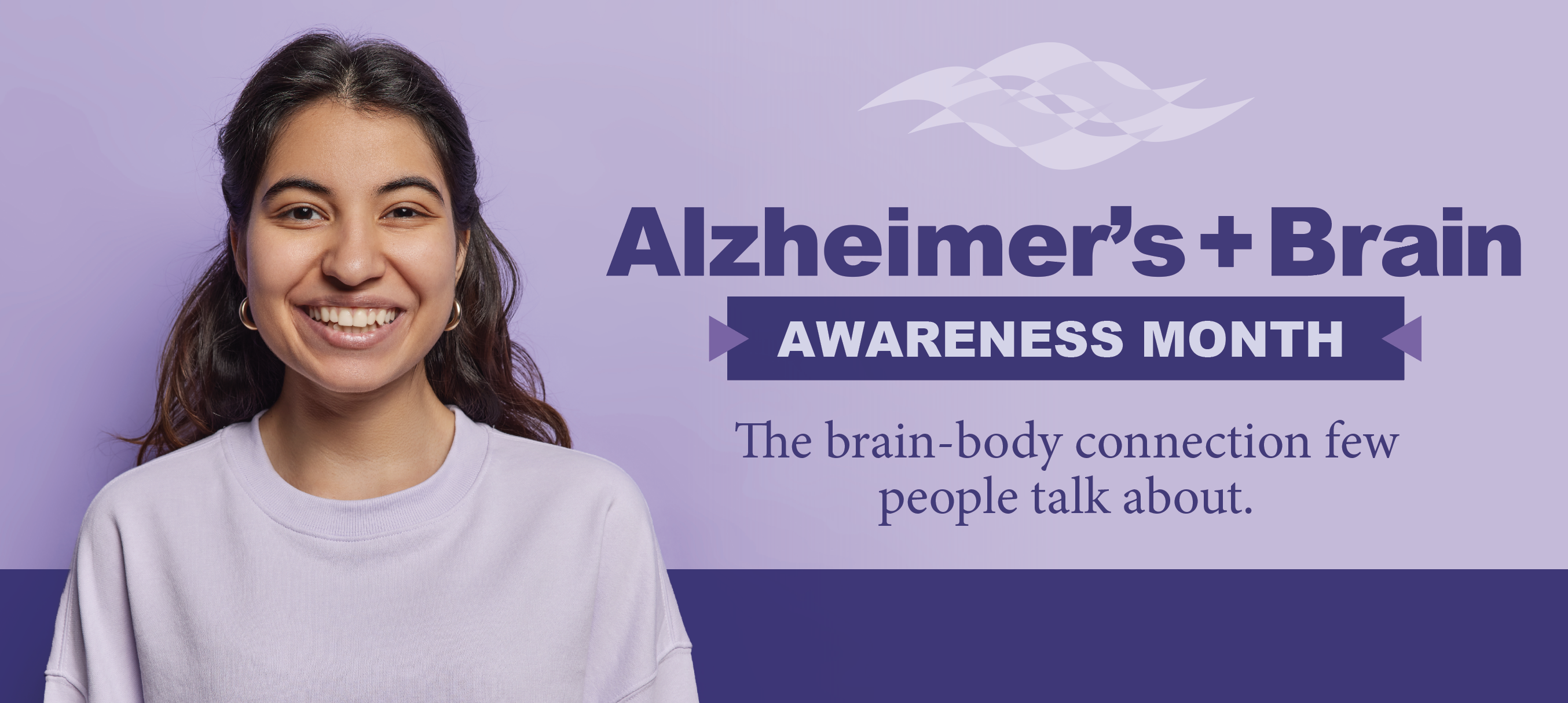
The Connection Between Mental Health and Brain Health
When people think about brain health, they often focus on memory and cognitive decline. However, mental health plays a critical role in how the brain functions every day.
Mood, stress levels, emotional well-being, sleep quality, and substance use can all influence cognitive health.
Understanding this connection is an important part of maintaining wellness throughout life.
How Mental Health Affects Cognitive Function
The brain controls our thoughts, emotions, behaviors, and memories. When mental health challenges arise, it can affect how we process information and navigate daily life.
People experiencing depression, anxiety, trauma, or chronic stress may notice:
- Difficulty concentrating
- Memory challenges
- Increased forgetfulness
- Trouble making decisions
- Mental fatigue
- Sleep disturbances
These symptoms can be frustrating and, in some cases, may even resemble cognitive decline.
Stress and the Brain
Short-term stress is a normal part of life. Chronic stress, however, can affect both physical and mental health.
Persistent stress can contribute to:
- Poor sleep
- Increased anxiety
- Difficulty focusing
- Mood changes
- Reduced resilience
Learning healthy ways to manage stress supports both emotional wellness and cognitive function.
Depression and Memory
Many people are surprised to learn that depression can affect memory and concentration.
Individuals experiencing depression may report:
- Brain fog
- Difficulty remembering information
- Reduced motivation
- Trouble focusing
Addressing mental health concerns often improves these symptoms and enhances overall quality of life.
Substance Use and Cognitive Health
Alcohol and substance use can also impact brain health.
Depending on frequency, duration, and severity, substance use may affect memory, decision-making, emotional regulation, and daily functioning.
Early intervention and treatment can support recovery and help individuals improve both mental and physical health outcomes.
Supporting Whole-Person Wellness
Brain health is about more than preventing disease. It involves caring for the whole person—physically, emotionally, socially, and mentally.
North Central Health Care provides comprehensive Behavioral Health Services, including mental health treatment, crisis intervention, substance use services, and community-based supports that help individuals build healthier, more fulfilling lives.
Healthy Minds Support Healthy Brains
Taking care of your mental health is one of the most important investments you can make in your overall well-being.
Whether you're managing stress, seeking support for anxiety or depression, or helping a loved one navigate behavioral health challenges, remember that mental wellness and brain health go hand in hand.
For additional information about cognitive wellness and healthy aging, read our cornerstone article, Healthy Aging Starts with Brain Health.