Wellness Looks Different for Everyone. What Does It Look Like for You?
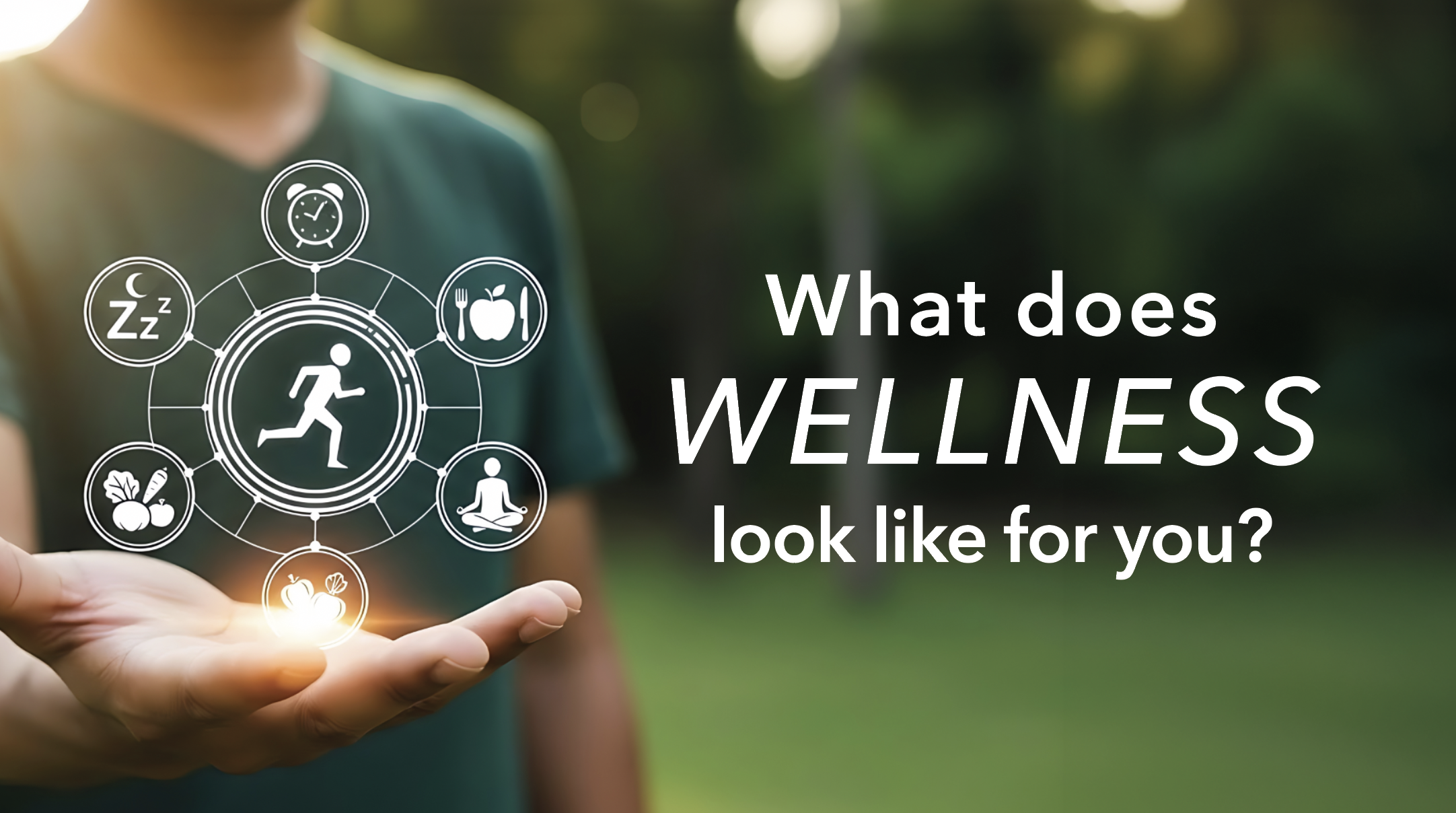
Wellness Looks Different for Everyone—What Does It Look Like for You?
August is International Wellness Month. When you hear the word “wellness,” what comes to mind?
Maybe it’s swimming a few laps, taking a walk or preparing a nourishing meal. Perhaps it’s spending time with someone you love, playing music, getting a good night’s sleep or simply stepping outside for a breath of fresh air.
Wellness might also mean talking with a therapist, accepting support or asking for help when you need it most.
The truth is, there is no single picture of wellness. What helps one person feel healthy, supported and fulfilled may look completely different for someone else.
Wellness Is Personal
Wellness is about more than physical health. It can include your emotional, mental and social well-being, along with the activities and relationships that bring meaning to your life.
For one person, wellness may mean setting a new fitness goal. For another, it might mean allowing time to rest without feeling guilty. It could be reconnecting with a friend, returning to a favorite hobby or taking one manageable step toward a personal goal.
Our needs can also change from day to day. What supports you during a busy week may be different from what you need when you’re feeling lonely, overwhelmed or tired. Paying attention to those changing needs is an important part of caring for yourself.
Small Choices Still Count
Wellness doesn’t have to require a dramatic lifestyle change. It can begin with a small, realistic choice:
Move your body in a way that feels comfortable.
Take a few quiet minutes to breathe and reset.
Drink a glass of water.
Listen to a song that lifts your spirits.
Spend time outside.
Call someone who helps you feel connected.
Set a boundary to protect your time and energy.
Reach out for support.
No step is too small if it helps you move toward greater well-being.
Find What Works for You
At North Central Health Care, we recognize that every person has different strengths, needs, abilities and goals. A person-centered approach to wellness begins by listening to the individual and understanding what matters most to them.
This National Wellness Month, take a moment to consider what helps you feel most like yourself. Is it movement? Rest? Creativity? Connection? Time outdoors? A conversation with someone you trust?
You don’t need to follow someone else’s version of wellness. Begin with something that is meaningful and achievable for you.
Now it’s your turn.
Wellness, to me, is ____________________.
Because wellness looks different for everyone and your version matters!