Finding Relief in the Water - The Science Behind Aquatic Physical Therapy
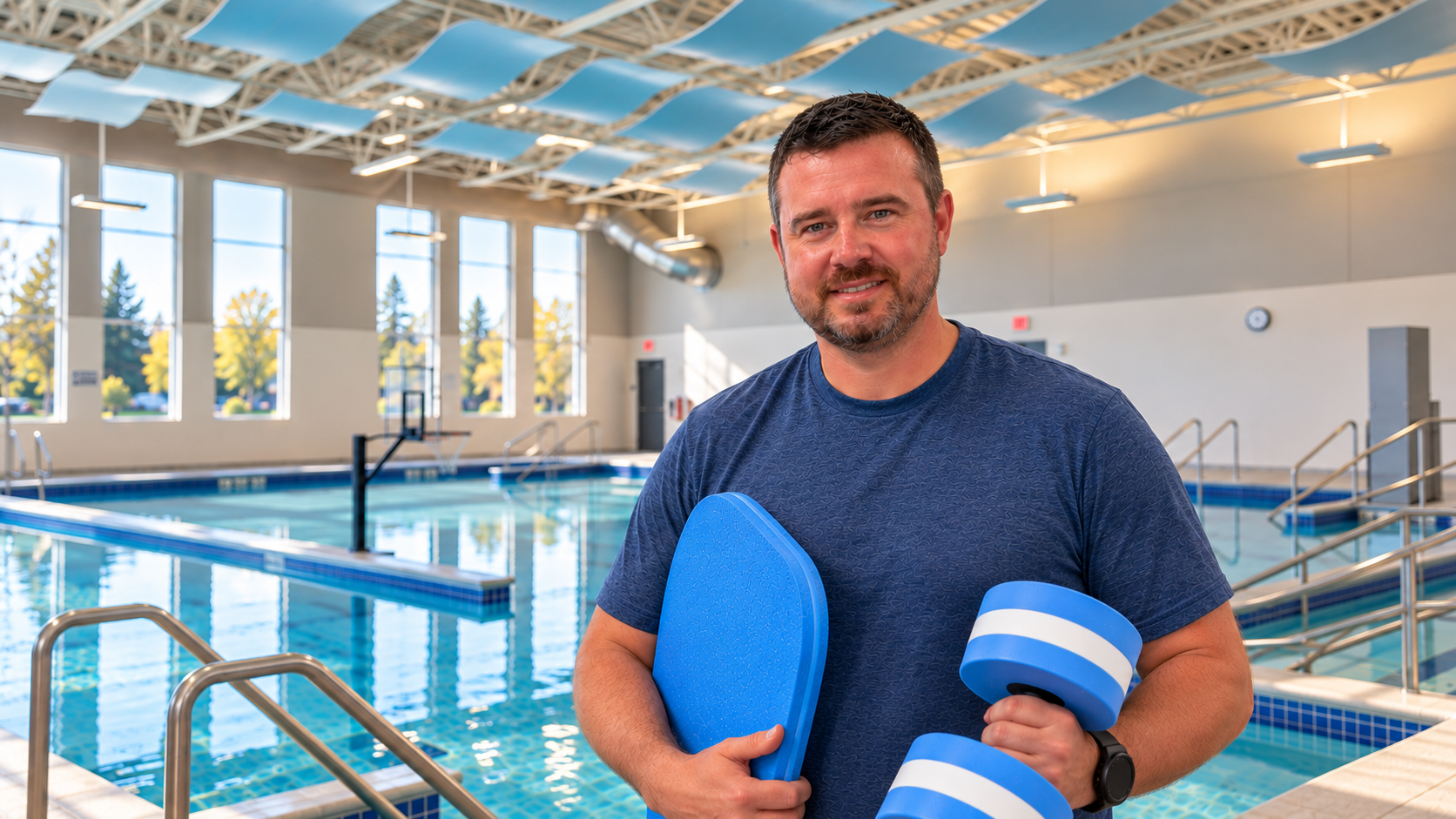
The Science Behind Aquatic Physical Therapy
By Michael Haylett, PT, DPT, MTC | Physical Therapist, North Central Health Care
October is National Physical Therapy Month, and we're diving into an approach to rehabilitation that's helping people move more comfortably, build strength, and rediscover what their bodies can do.
For someone living with chronic pain, recovering from surgery, or struggling with limited mobility, even the simplest movements can feel challenging. Walking, bending, exercising, or getting through everyday activities may come with discomfort.
But what if there were a way to make movement feel easier while still building strength and improving mobility?
That's where aquatic physical therapy comes in.
As a physical therapist, my goal is to help people move better, reduce pain, and return to the activities that matter most to them. Aquatic therapy offers a unique way to work toward those goals by using the natural properties of water to create a supportive environment for rehabilitation.
Why Water Makes a Difference
Water offers something that traditional exercise environments simply can't: a combination of support, resistance, and warmth that works with the body rather than against it.
Buoyancy reduces pressure on joints. When submerged in water, the body experiences less of the strain associated with weight-bearing activities. This can make movements like walking, stretching, or strengthening exercises more comfortable, particularly for people experiencing joint pain or mobility limitations.
Water provides natural resistance. Unlike traditional weights, water creates resistance as we move through it. This allows us to incorporate strengthening exercises that can be adjusted to each patient's abilities and rehabilitation goals.
Warm water encourages relaxation. The warmth of a therapeutic pool can help relax tense muscles, reduce stiffness, and make movement more comfortable.
Together, these properties create a supportive environment where patients can work toward improved strength, flexibility, balance, and mobility.
"One of the things I appreciate most about aquatic therapy is how it can change someone's relationship with movement and create an opportunity to start building strength and confidence."
The Science Is Making Waves
Aquatic physical therapy isn't just about feeling better in the moment. Research suggests it can deliver meaningful improvements for people experiencing chronic musculoskeletal pain.
A 2023 systematic review and meta-analysis published in the Journal of Orthopaedic Surgery and Research examined 32 randomized controlled trials involving approximately 2,200 participants with chronic musculoskeletal conditions.
Researchers found that aquatic exercise was associated with:
- Significant reductions in pain compared to no exercise.
- Improved physical function, helping participants move and perform activities more effectively.
- Improved quality of life, an important measure for people managing long-term pain and physical limitations.
Perhaps most notably, the analysis found that aquatic exercise provided significantly greater pain relief than land-based exercise among the populations studied.
While improvements in physical function and quality of life were not significantly different between aquatic and land-based exercise, the findings reinforce aquatic therapy as an effective rehabilitation option, particularly when pain makes traditional exercise challenging.
The research included conditions such as osteoarthritis, fibromyalgia, and chronic low back pain, demonstrating how water-based exercise may benefit people managing a variety of musculoskeletal challenges.
Source: Efficacy of aquatic exercise in chronic musculoskeletal disorders: a systematic review and meta-analysis of randomized controlled trials, Journal of Orthopaedic Surgery and Research (2023).
Building Confidence, One Movement at a Time
The benefits of aquatic therapy extend beyond physical improvements.
For someone who has spent months or years dealing with pain, the thought of exercise can be intimidating. Fear of discomfort, reinjury, or falling may make it difficult to stay active.
A therapeutic pool can help change that experience.
With the support of water and guidance from a physical therapist, patients may be able to practice movements that feel difficult on land. Over time, those experiences can help build confidence and encourage continued progress.
"Progress in physical therapy isn't always measured by how much weight someone can lift or how far they can walk, It's seeing someone regain the confidence to move without anticipating pain."
Aquatic therapy isn't necessarily a replacement for traditional physical therapy. Instead, it can be a valuable part of an individualized treatment plan, helping patients develop the strength and mobility needed for everyday activities.
Is Aquatic Physical Therapy Right for You?
Aquatic physical therapy may be beneficial for individuals experiencing:
- Chronic joint or muscle pain
- Arthritis and other musculoskeletal conditions
- Limited mobility or difficulty with weight-bearing exercise
- Balance challenges
- Recovery from certain injuries or surgeries
- Difficulty tolerating traditional land-based exercise
Treatment should always be tailored to the individual's condition, abilities, and goals by a qualified physical therapist.
And while the pool may look different from a traditional therapy setting, the objective is the same: helping people improve their ability to move, function, and participate in the activities that matter to them.
Discover What Water Can Do for You
At North Central Health Care, our Aquatic Physical Therapy program uses the therapeutic benefits of warm water to help individuals work toward greater mobility, reduced pain, and improved physical function.
This National Physical Therapy Month, I encourage anyone struggling with pain or limitations in their movement to explore the different treatment options available to them.
"The goal isn't just to help someone move better in the pool. It's to help them move better in life."
Ready to take the next step?
Learn more about North Central Health Care's Aquatic Physical Therapy program and discover whether water-based rehabilitation could be right for you.
Because sometimes, moving forward starts by getting in the water.