How Physical Activity Supports Brain Health
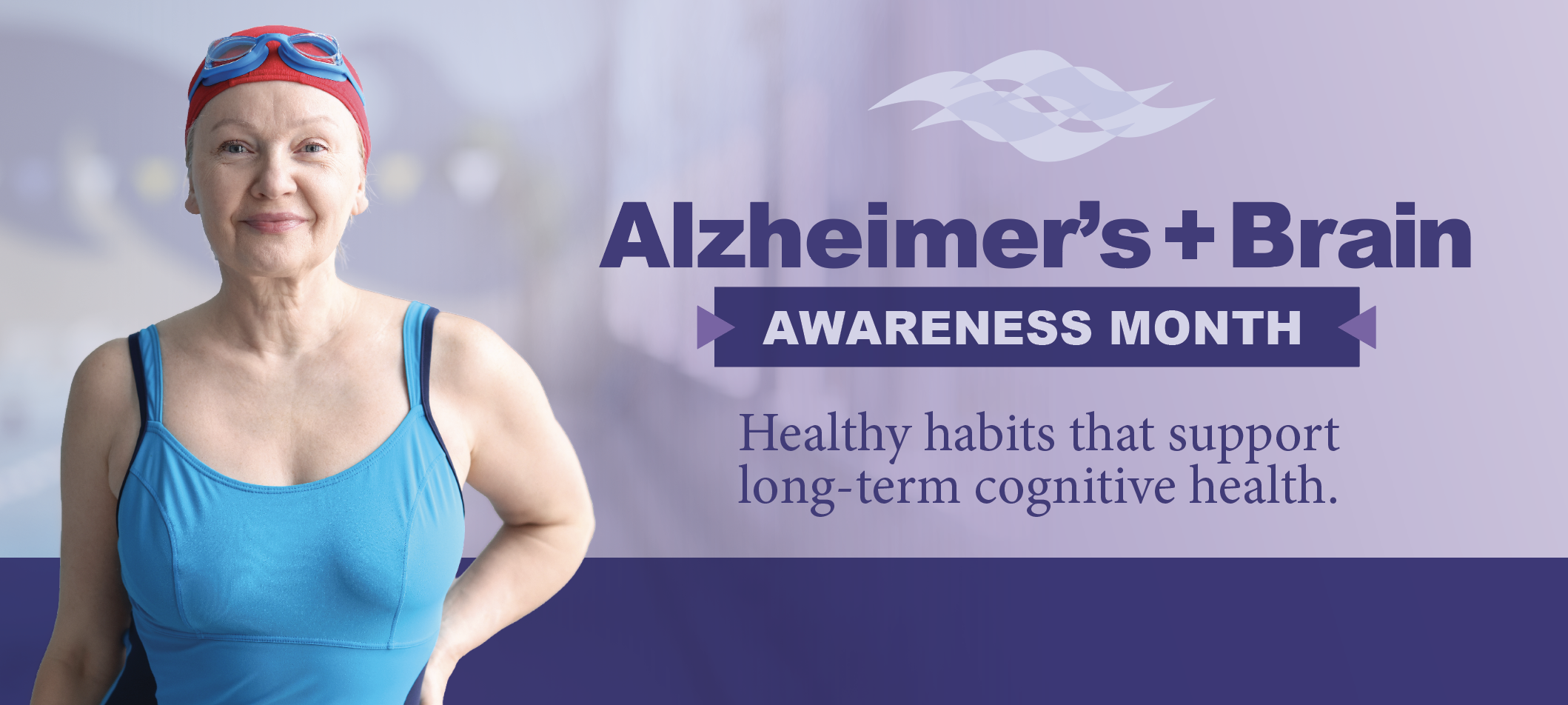
How Physical Activity Supports Brain Health
Most people know exercise benefits the heart, muscles, and joints. What many don't realize is that physical activity is also one of the best things you can do for your brain.
Whether you're 25 or 85, regular movement can support memory, mood, concentration, and overall cognitive function.
The Brain-Body Connection
The brain relies on a healthy circulatory system to receive oxygen and nutrients.
Physical activity helps:
- Increase blood flow to the brain
- Support cardiovascular health
- Improve sleep quality
- Reduce stress
- Enhance mood
Together, these benefits contribute to stronger cognitive health over time.
Exercise and Healthy Aging
Research suggests that physically active individuals may experience slower cognitive decline as they age.
Exercise may help support:
- Memory
- Attention
- Problem-solving
- Executive functioning
- Emotional regulation
The key is consistency, not intensity.
Finding Activities You Enjoy
The best exercise is the one you'll continue doing.
Examples include:
- Walking
- Swimming
- Water exercise
- Gardening
- Dancing
- Cycling
- Strength training
- Stretching and flexibility exercises
Even small amounts of movement throughout the day can provide benefits.
When Mobility Is a Challenge
Health conditions, injuries, chronic pain, or balance concerns can make exercise more difficult.
That's where rehabilitation and therapeutic exercise programs can help.
North Central Health Care's Aquatic Therapy Center provides a warm-water environment that can make movement easier and more comfortable for individuals with arthritis, chronic pain, neurological conditions, and mobility limitations.
Rehabilitation services can also help individuals regain strength, improve balance, and maintain independence following illness or injury.
Exercise Benefits Mental Health, Too
Physical activity supports emotional wellness by helping reduce symptoms of:
- Anxiety
- Depression
- Stress
Mental health and brain health are closely connected, making movement an important component of overall wellness.
Every Step Counts
You don't need to train for a marathon to support brain health.
A daily walk, water exercise class, gardening session, or active hobby can contribute to better cognitive function and improved quality of life.
To learn more about healthy aging and cognitive wellness, visit our article, Healthy Aging Starts with Brain Health, and discover additional ways to support your brain for life.