World Meditation Day: A Simple Pause That Can Change Your Mental Health
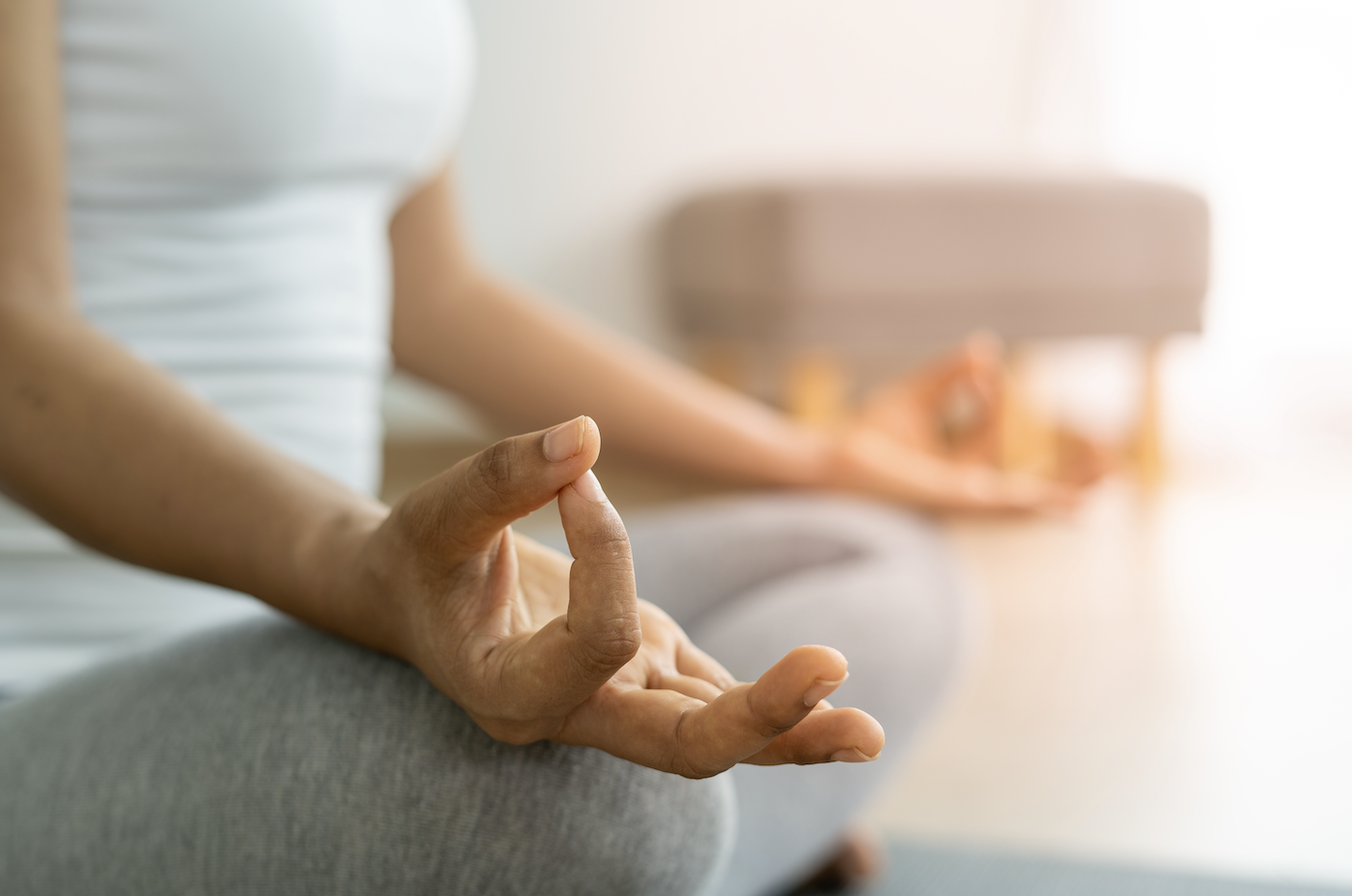
World Meditation Day is a reminder that taking a moment to slow down, breathe, and reconnect with yourself is not a luxury, it’s a life-supporting skill. In a world filled with constant movement, noise, and mental clutter, meditation offers a rare chance to give your mind a quiet place to land.
You don’t need special equipment, long periods of silence, or perfect posture to begin. Meditation is for everyone, including absolute beginners, and even a few minutes can make a noticeable difference.
Why Meditation Matters for Mental Health
Meditation has been widely recognized as a powerful tool for emotional well-being. With regular practice, it can help you:
- Reduce stress and anxiety - Slowing your breathing and focusing your attention calms the nervous system and shifts your body out of “fight or flight.”
- Improve emotional regulation - Meditation helps create a buffer between your thoughts and reactions, making it easier to stay grounded during difficult moments.
- Enhance focus and clarity - A calmer mind is better at staying on task, organizing thoughts, and processing information.
- Build resilience - Over time, meditation strengthens your ability to cope with challenges and bounce back from mental strain.
- Support overall mood - Many people report feeling lighter, steadier, and more balanced after regular meditation.
Simple Ways to Start Meditating
If meditation is new to you, keep it simple. The goal isn’t to stop your thoughts, but to gently guide your attention back whenever it wanders. Here are approachable ways to begin:
1. One-Minute Breathing Reset
Perfect for work, home, or whenever you need a moment.
Sit comfortably and relax your shoulders.
Inhale slowly through your nose for a count of four.
Hold for one second.
Exhale through your mouth for a count of six.
Repeat for one minute.
This short practice helps reduce stress and bring instant calm back into the body.
2. Five Senses Grounding
Great for anxiety or feeling overwhelmed.
Notice:
• 5 things you can see
• 4 things you can touch
• 3 things you can hear
• 2 things you can smell
• 1 thing you can taste
This exercise gently anchors you in the present moment.
3. Guided Body Scan
A simple way to release tension.
Starting at the top of your head and moving downward, bring awareness to each area of your body. Notice how it feels without judging. Relax each part as you go.
Even three minutes can help your muscles soften and your mind settle.
4. Counting Meditation
Ideal when your mind is busy.
Silently count your breaths:
• Inhale = 1
• Exhale = 2
• Continue to 10, then start over.
If you lose track, just begin again — that gentle return is the practice.
5. Micro-Meditations Throughout the Day
Meditation doesn’t always mean sitting still.
Try:
• A mindful walk
• A slow stretch with deep breathing
• A quiet pause before a meal
• A gratitude moment before bed
Small practices add up.
A Few Minutes Can Go a Long Way
On World Meditation Day, and every day, consider giving yourself a small moment of stillness. You don’t need to be perfect or do it “right.” You just need to begin.
Meditation is not about becoming a different person. It’s about returning to yourself, even if just for a minute, and giving your mind the peace it deserves.